Updated on July 27, 2026
Editor: Marco Aurélio Gomes Veado

Scientists Restore Memory in Aging Mice by Lowering Brain Protein
SCIENCE
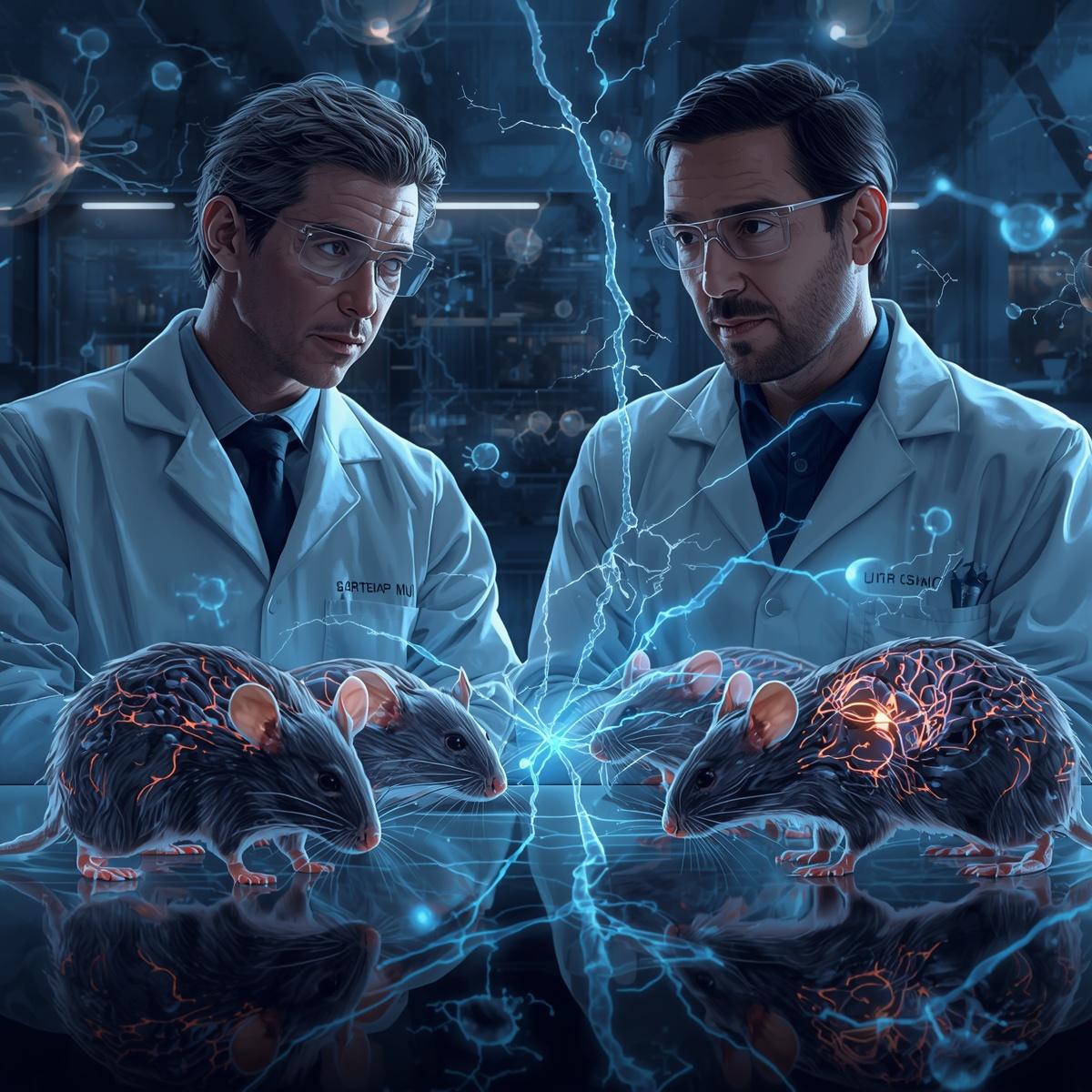
The findings, originally published in the journal Nature Aging in August 2025, identified ferritin light chain 1 (FTL1), an iron-associated protein, as a key driver of brain aging. Levels of FTL1 rise naturally in the hippocampus as mice grow older, correlating with fewer connections between nerve cells, disrupted energy production in neurons and poorer performance on memory tests. When scientists artificially lowered FTL1 in aged mice, synaptic function improved, neural connections increased and cognitive abilities were restored to levels resembling those of much younger animals.
See full story at SCIENCE
Sign up for our newsletter!
Get the latest information and inspirational stories for caregivers, delivered directly to your inbox.
